
Doctors Turn to Telehealth as Health Plans Fund Technology during National Pandemic
Date: 07/27/20
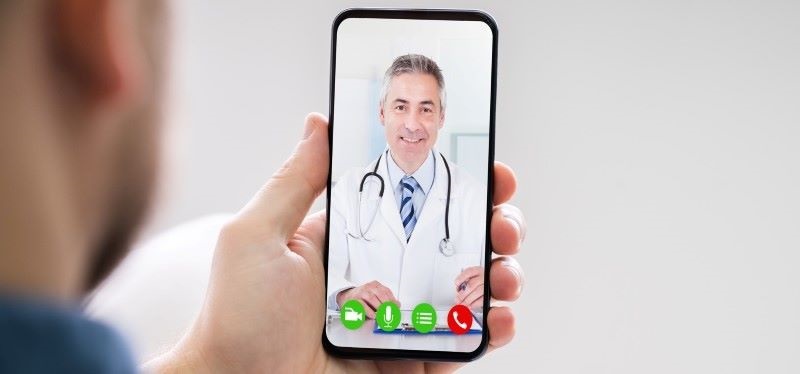
Cases of COVID-19 are spiking across the country, which can make seeking regular care more difficult for those living with chronic conditions. Physically visiting the doctor's office can mean increased risks of exposure, but not receiving care can be detrimental as well.
According to a recent poll conducted by the Kaiser Family Foundation, nearly 50% of Americans said that either they or a family member had skipped or delayed medical care because of the COVID-19 pandemic. As doctors look for ways to treat patients while practicing social distancing and trying to stay healthy, telehealth has been a common solution.
Health Net, one of California’s largest Medi-Cal managed care plans, saw a 400% increase in members using live video to talk with their doctors from March 20 to April 20.
While early evidence suggests that most providers have now adopted telehealth services, many still face significant financial barriers before they can fully take advantage of the platform. A joint report by the UCLA Latino Policy and Politics Initiative and the UCLA Health Center for the Study of Latino Health and Culture highlights the struggles of safety net providers to build telehealth platforms. For most, their biggest hurdle is securing the financial backing to set-up their infrastructure.
Health Plans Are Stepping Up Their Efforts
In early April 2020, Health Net announced the availability of nearly six million dollars in grants to build telehealth capacity. The response was so overwhelming that the company more than doubled the grants to $13.4 million, one of the largest-ever cash grants for telehealth by a health plan.
The grants were earmarked to help safety net providers offer services such as live video visits, e-consultations and psychiatry, as well as help establish internet connectivity, provide training and technical assistance, and crucial supplies such as laptops, cell phones and software for their practice.
Those receiving grants are located in the most underserved parts of the state including rural and urban communities, and they include independent provider practices, rural health centers, community clinics, Indian health centers and others.
"Health Net's investment in telehealth is not only helping safety net providers implement this important technology, it's also helping the underserved," said Hector Flores, MD, Family Physician at the clinic's Montebello Office and Co-Director of the Adventist Health White Memorial Family Medicine Residency Program. "Patients love this service because they are not only worried about the pandemic, but also because they have child care concerns and transportation costs. We are optimistic about sustaining a telehealth practice well into the future."